A single submarine cable could play a transformative role in reshaping electricity flows between the South Caucasus and Europe. The proposed Black Sea Submarine Cable, currently under development, is one ambitious HVDC interconnection project in the region, designed to strengthen cross-border energy connectivity and support the integration of power systems across two continents.
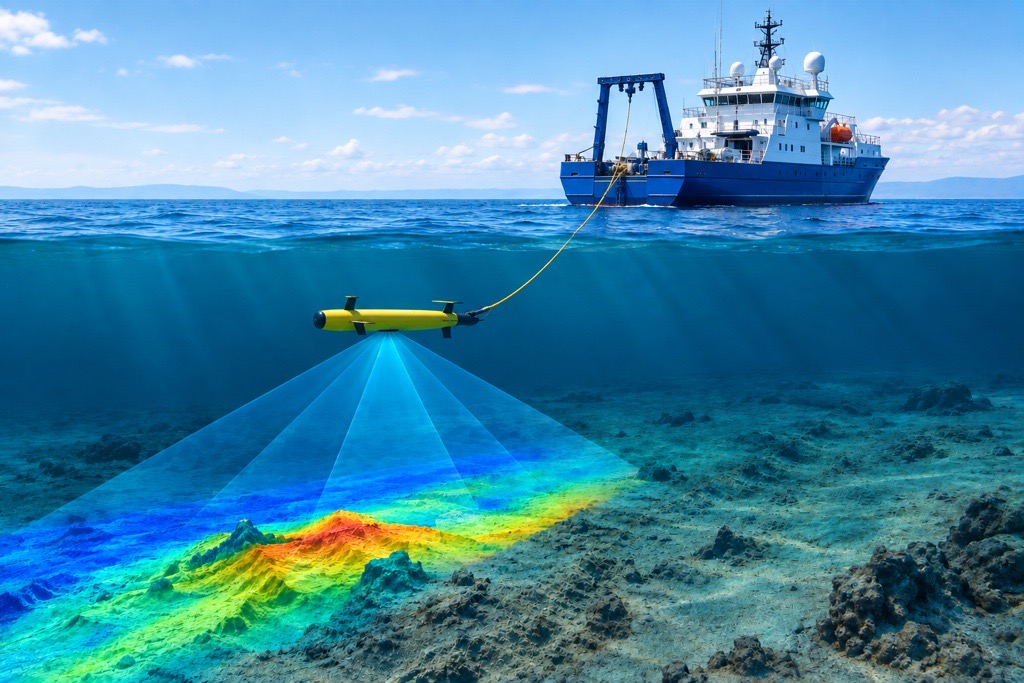
The project envisages a transmission capacity of 1,300 MW, with approximately 1,115 kilometers of cable installed beneath the Black Sea. Some sections would reach depths of up to 2,200 meters, making it a technically complex undertaking that pushes the boundaries of submarine transmission engineering.
By creating a direct electricity link between Georgia and Romania, the interconnection aims to enhance system flexibility, improve security of supply and facilitate power exchanges between the South Caucasus and the wider European electricity market. As electricity systems become increasingly interconnected, large-scale transmission links are emerging as strategic infrastructure assets, supporting more resilient and adaptable networks while enabling the efficient integration of diverse energy resources.
These themes were recently explored by Alessandro Crippa, HV Equipment and Services Product Leader at CESI Consulting, in an interview examining the engineering rationale behind the project. The discussion focuses on key topics including the selection of the 1,300 MW transmission capacity, the technical challenges associated with ultra-deep subsea installation, and the milestones required to move the project from feasibility studies towards implementation.
Read the full interview here: https://renewables.ge/market/black-sea-cable-feasibility-construction-cesi/