


Identifying and preventing equipment failures for long-term reliability.
A failure is defined as any deviation from an asset’s expected functionality that requires corrective action. To prevent recurrence, a thorough failure analysis is essential.
Failures may result from natural ageing, design flaws, manufacturing defects, poor installation, external damage, or adverse operating conditions. Ensuring compliance with standards like ISO 9001 and IEC helps reduce these risks.
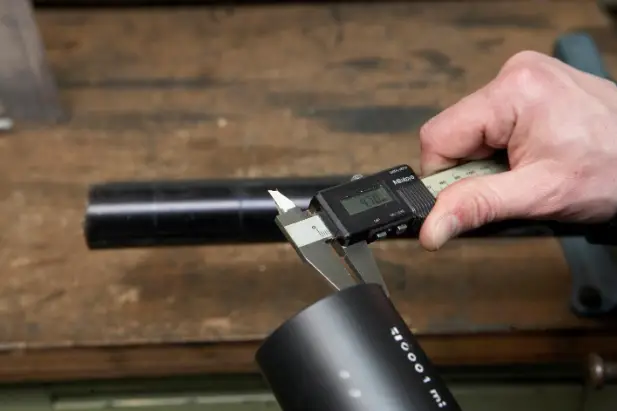
KEMA Labs follows a structured process:
- Initial visual inspection of the failed equipment
- If needed, advanced lab analyses to identify root causes
- Data collection from the plant to detect stress or overload
- Development of a failure hypothesis to guide corrective actions
Thanks to its internationally recognized expertise, KEMA Labs supports both manufacturers and end users in improving reliability. Manufacturers benefit from better product performance and reduced downtime, while end users enjoy more dependable systems and fewer interruptions.
Typical issues investigated:
- Product Design
- P.D. measurement and P.D.level
- Tg δ
- A.C. or S.I. test failure
- Water penetration
- Short circuit test on metallic screen
- Quality of row materials
- Internal arc test (terminations)
- Problem during installation
- Failure on operation
- Oil
- Insulation resistance
- Active losses (load losses)
- L.I. test failure/L.I. chopped wave test failure
- Acoustic noise
- Oil leaks
- Oxide, rust
- Failure on operation
KEMA Labs, a CESI Group Business Unit, is a global leader in third-party conformity assessment services, testing, inspection, and certification of electromechanical components. Our certificates and reports are internationally recognized by both manufacturers and purchasers.
KEMA Labs is a well-recognized conformity assessment body, accredited according to ISO/IEC 17020, ISO/IEC 17025, and ISO/IEC 17065 standards. Additionally, KEMA Labs, through CESI S.p.a., is a notified body for the IECEx Certification Scheme and ATEX.